
Chaîne des Rôtisseurs
Hawaiʻi/Pacific Islands Province
Restaurant Corner · Pearl Restaurant · March 27, 2026
The Future Is Bright—and Classically Trained
By John Magauran, Bailli Provincial, Hawaiʻi/Pacific Islands Province
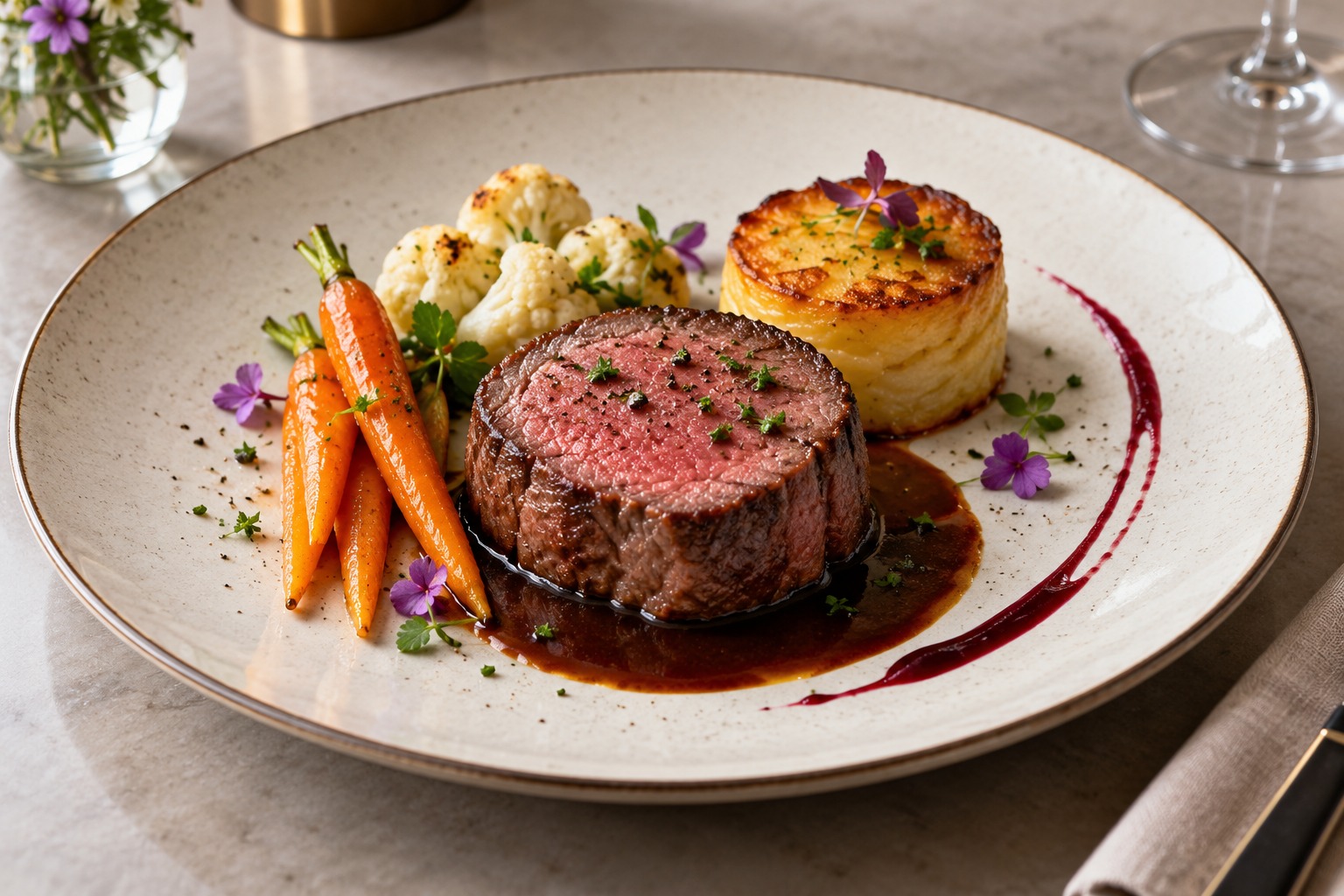
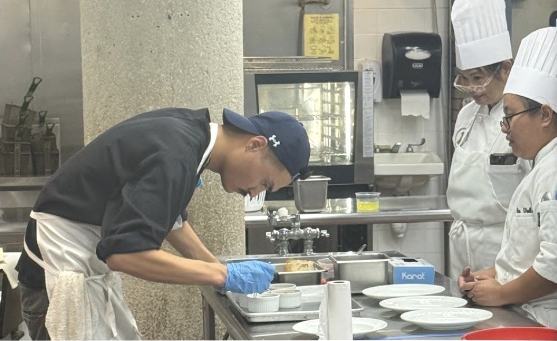
I went to Pearl Restaurant expecting a glimpse of the newest trends in cooking. The evening followed our provincial Jeunes Chefs Rôtisseurs competition, and a dinner prepared by culinary students seemed a natural place to encounter the latest ideas. What arrived was something I found even more exciting: a graduate course in the pleasures of a beautifully prepared meal.
It was an exceptional dinner. Course after course demonstrated the skill, judgment, and care that make a meal memorable. The culinary faculty created the menu, with individual chefs responsible for different courses and students bringing that instruction to the table. Across those individual contributions, the dinner held together remarkably well.
What’s old is new again, as the saying goes. At Pearl, familiar classical preparations felt wonderfully alive. Beurre blanc, bourride, sauce Périgueux, and baba au rhum require a cook to understand what is happening in the pan and on the plate. Temperature, timing, seasoning, and proportion matter. The pleasure for the diner comes from how well all those decisions have been made.
A Meal That Made Its Point
Seared scallops opened the dinner with lilikoʻi and a limu ogo beurre blanc. A smoked duck breast salad brought together hulihuli glaze, candied macadamia nuts, finger lime, and greens. Sablefish bourride followed with mussels, Kauaʻi shrimp, and Provençal vegetables. The veal course paired Big Island meat with Waiʻanae root vegetables, a tendon crisp, and sauce Périgueux. A Mai Tai baba au rhum, with macadamia nut orgeat anglaise, brought the evening to a particularly fitting Hawaiʻi finish.
The ingredients gave the dinner a clear sense of place. Hawaiʻi was present throughout the meal, expressed through preparations that have earned their place in the kitchen over generations. Each dish had a recognizable center, and its accompaniments supported it. There was a confidence in that clarity.
Good Cooking Gets Noticed
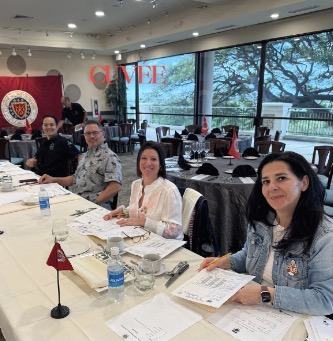
Among our guests was Honolulu food writer and author Sean Morris, whose work includes food columns for Lighthouse Hawaiʻi and a dining guide published in Japan. He joined an evening that also brought together distinguished chefs and competition judges—people who know how much work goes into a meal like this.
Sean’s reaction stayed with me. As I recall our conversation, he considered it one of the best meals he had enjoyed in Honolulu in ages. He felt that restaurants able to cook and serve food at this standard consistently would be extremely successful. That was a generous compliment, and one the evening deserved.
I understood exactly what he meant. We had enjoyed a demonstration of technique made delicious. The food gave us the pleasure; the cooks’ command of their craft made it possible. In a dining world where the newest idea often draws the most attention, it was a joy to be reminded how much excitement there is in doing something exceptionally well.
The Wine Had a Place at the Table
The pairings helped carry the meal forward. Loire Valley sparkling wine accompanied the scallops, followed by Pinot Noir with the duck, dry rosé with the bourride, and Bordeaux with the veal. Tawny Port and Rainwater Madeira completed the sequence. The changing weight, acidity, and texture of the wines followed the courses, making food and wine part of one experience.
Even the breads contributed: an olive oil roll with furikake butter and a mini pain d’épi with black pepper butter. Those details belong to the same discipline as the sauces and main courses. A good dinner asks the kitchen to care about the whole evening.
A Reason to Be Optimistic
The competition earlier that day celebrated young talent under pressure. Dinner gave us another view of culinary education: faculty and students working together to create an evening people would remember.
For those of us who care about Hawaiʻi’s restaurants, that is encouraging. We saw the foundations being taught, the techniques being practiced, and the results arriving at our table. It was an amazing meal—and a very good reason to believe the future is bright.