
Province home · From the Bailli Provincial
A Message from the Bailli Provincial · November 19, 2026
The Last Lobster Boil?
As Napa looks to let wineries be wineries, New York and others are stepping into the kitchen.
By John Magauran, Bailli Provincial – Hawaiʻi/Pacific Islands
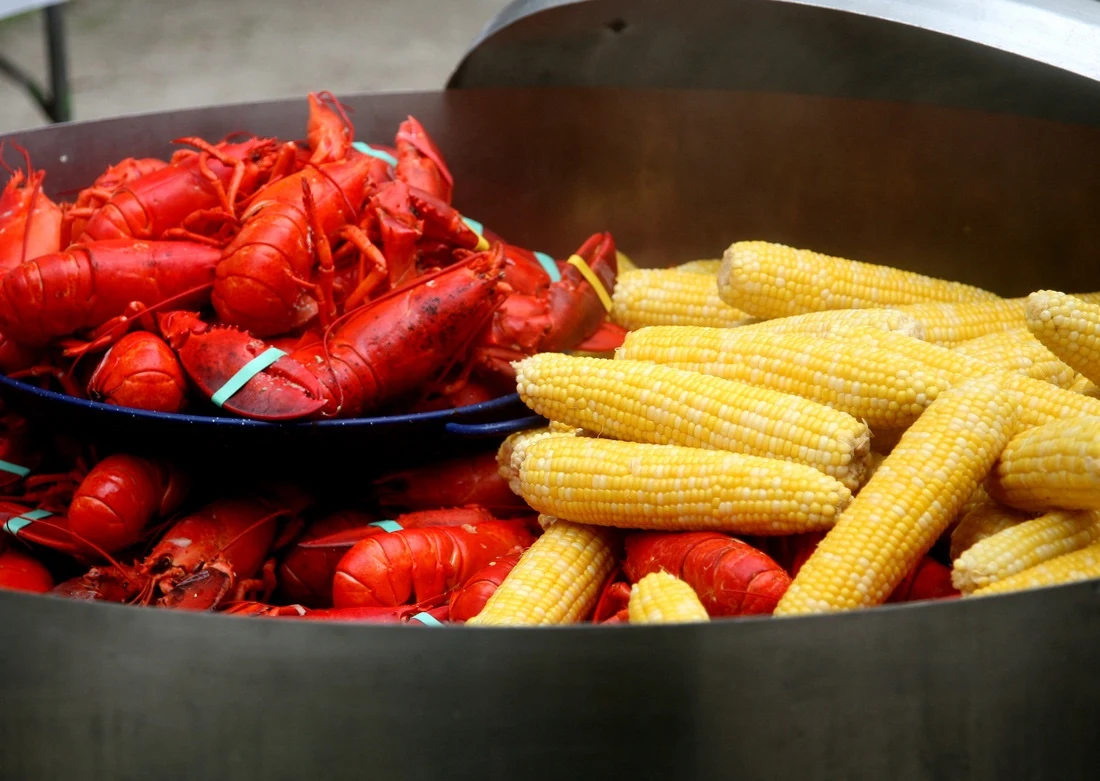
There is something wonderfully American about a New England lobster boil. A gathering of family and friends, great pots of boiling water, freshly caught lobsters, corn on the cob, drawn butter and, preferably, a generous supply of Champagne.
At our own Lobster Muster, preparing the lobsters is as much a part of the occasion as eating them. Everyone has a role, and the tradition brings generations together.
Apparently, New York City has other ideas.
On November 19, City Council Members Oswald Feliz and Harvey Epstein introduced legislation prohibiting restaurants from placing live crustaceans, including lobsters and crabs, in boiling liquid. The first violation would carry a warning; subsequent violations could carry a civil penalty of up to $100. The proposal, Introduction No. 1188, is before the Council’s Committee on Health and would take effect 180 days after enactment. It has yet to come to a vote.
From Napa to New York
Earlier this month, we examined efforts in Napa Valley to reverse some of the regulatory restrictions that have accumulated over decades. On November 4, Napa’s Planning Commission unanimously endorsed proposals to eliminate appointment-only wine tastings, relax restrictions on winery events and increase production limits for small wineries. Final approval rests with the Board of Supervisors.
There is considerable irony in the fact that, scarcely two weeks later, another of America’s great gastronomic destinations is contemplating further restrictions on its culinary professionals.
An international precedent
Switzerland and New Zealand have already imposed restrictions on the commercial preparation of crustaceans, and England is developing guidance of its own. New York’s latest initiative also follows its controversial 2019 attempt to prohibit the sale of foie gras, legislation that has spent years entangled in litigation.
What other traditional methods of food preparation might eventually come under legislative scrutiny?
Let chefs be chefs
Professional chefs and restaurateurs already operate in one of the most demanding business environments imaginable. Rising rents, food costs, wages, insurance premiums and taxes have made operating a successful restaurant increasingly difficult.
One would think that municipal governments had sufficient challenges of their own without venturing into the preparation of dinner.
From the lobster pounds of Maine and the clambakes of Cape Cod to the crab boils of Louisiana, our culinary traditions represent generations of accumulated knowledge, craftsmanship and cultural heritage. They sustain fishing communities, local economies and countless family-owned businesses.
Although the proposed New York legislation applies to commercial establishments, its implications extend well beyond Manhattan. Once established, such restrictions can become precedents for other cities and states.
As members of the Chaîne des Rôtisseurs, we have a particular appreciation for the preservation of culinary traditions and the professional independence of those who practice the gastronomic arts.
Perhaps Napa is beginning to recognize something that New York has yet to learn.
Let winemakers make wine. Let chefs cook. And leave the lobster pot alone.
John Magauran
Bailli Provincial – Hawaiʻi/Pacific Islands
Chaîne des Rôtisseurs