
China:
The Wine Giant
Yet to Emerge
The international wine industry was premature in its expectations of China. I believe it is equally premature in abandoning them.
A quieter French table.
There is something deeply unsettling about the French losing their taste for wine. In a country where a bottle on the table once seemed as natural as a loaf of bread, wine has increasingly become an occasional pleasure. Since the 1960s, individual consumption has fallen by more than 60%. In 1980, roughly half the French population drank wine daily or nearly daily. By 2022, that figure had fallen to 11%.
To me, that is a considerable cultural loss. It also leaves the world's winemakers with an uncomfortable question: who will drink the wine they are making?
For a time, China seemed to offer an answer. Here was an enormous country, growing wealthier, whose buyers were discovering the great wines of Europe. It was easy to imagine that enthusiasm spreading. Instead, Chinese consumption fell by approximately three-quarters between 2017 and 2025.
I understand the disappointment. I think we were too quick to assume that a mature wine culture had arrived, and we are now too quick to conclude that it will never develop. A luncheon in Hong Kong helps explain why I remain so optimistic.
A Lunch in Hong Kong
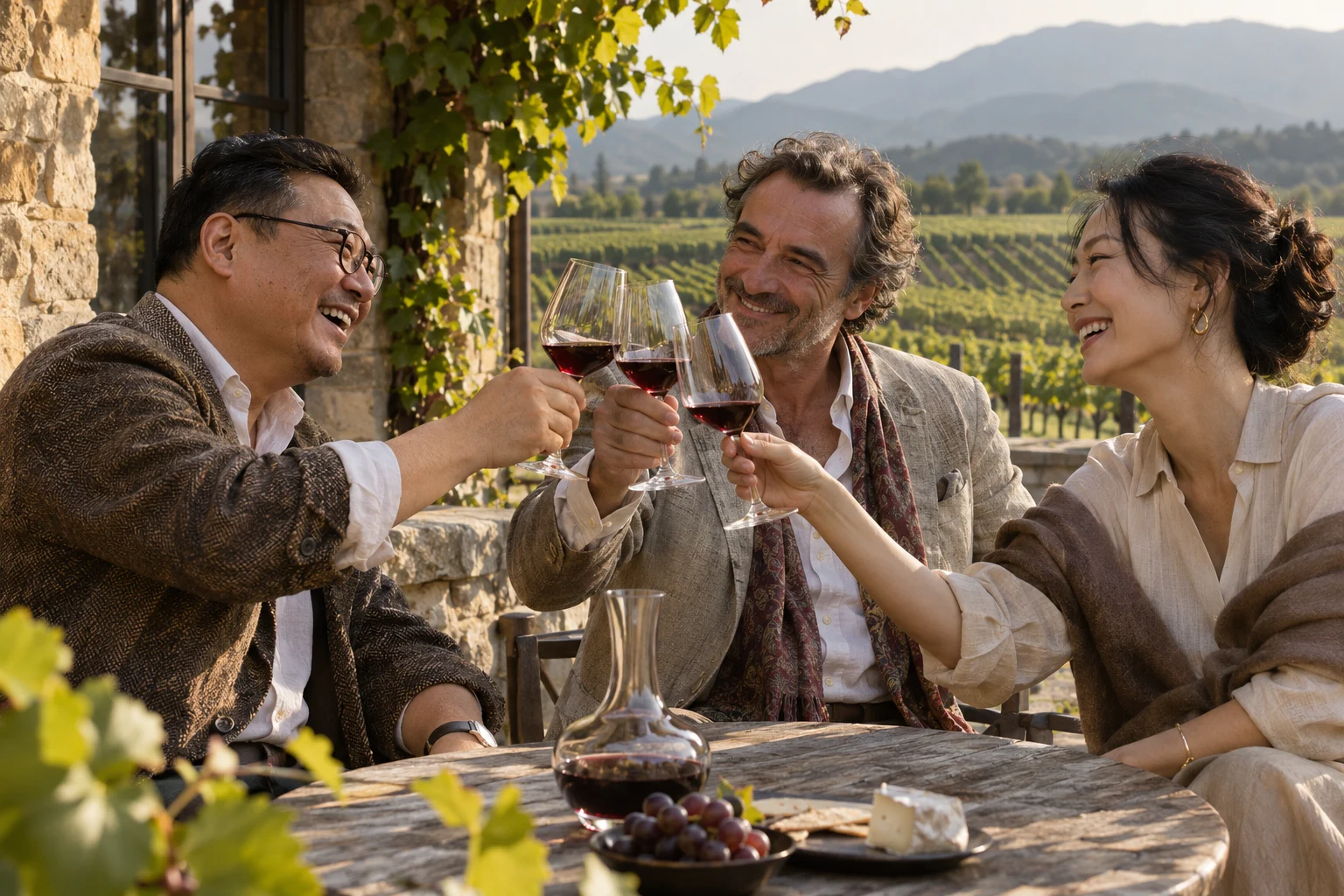
Several years ago, I was invited to lunch at Petrus, the magnificent French restaurant on the 56th floor of the Island Shangri-La, overlooking Victoria Harbour. My host asked whether I would care for wine. I said that I would enjoy a glass of white.
A bottle of French white wine was ordered. As lunch progressed, I realized that I was the only person at the table drinking it. Only much later did I learn that the bottle had cost approximately $2,000. I was astonished.
My host had given no indication that anything unusual had happened. There was no discussion of the expense, no suggestion that a whole bottle for one person might be extravagant. His guest had expressed a preference, and he had graciously accommodated it.
I remember the generosity, certainly, but even more the discretion. It was a lovely expression of hospitality, offered without ceremony. Fine French wine had its place at that table, even if only one guest wanted a glass.
I often think about how that scene might change in the years ahead. A Chinese host could take equal pride in opening a great wine from his own country. That bottle could become the beginning of a conversation about a vineyard, a vintage and a place his guests might one day visit.
“China may eventually contribute an entirely new geography to the vocabulary of fine wine.”John Magauran
The Making of a Great Wine Nation
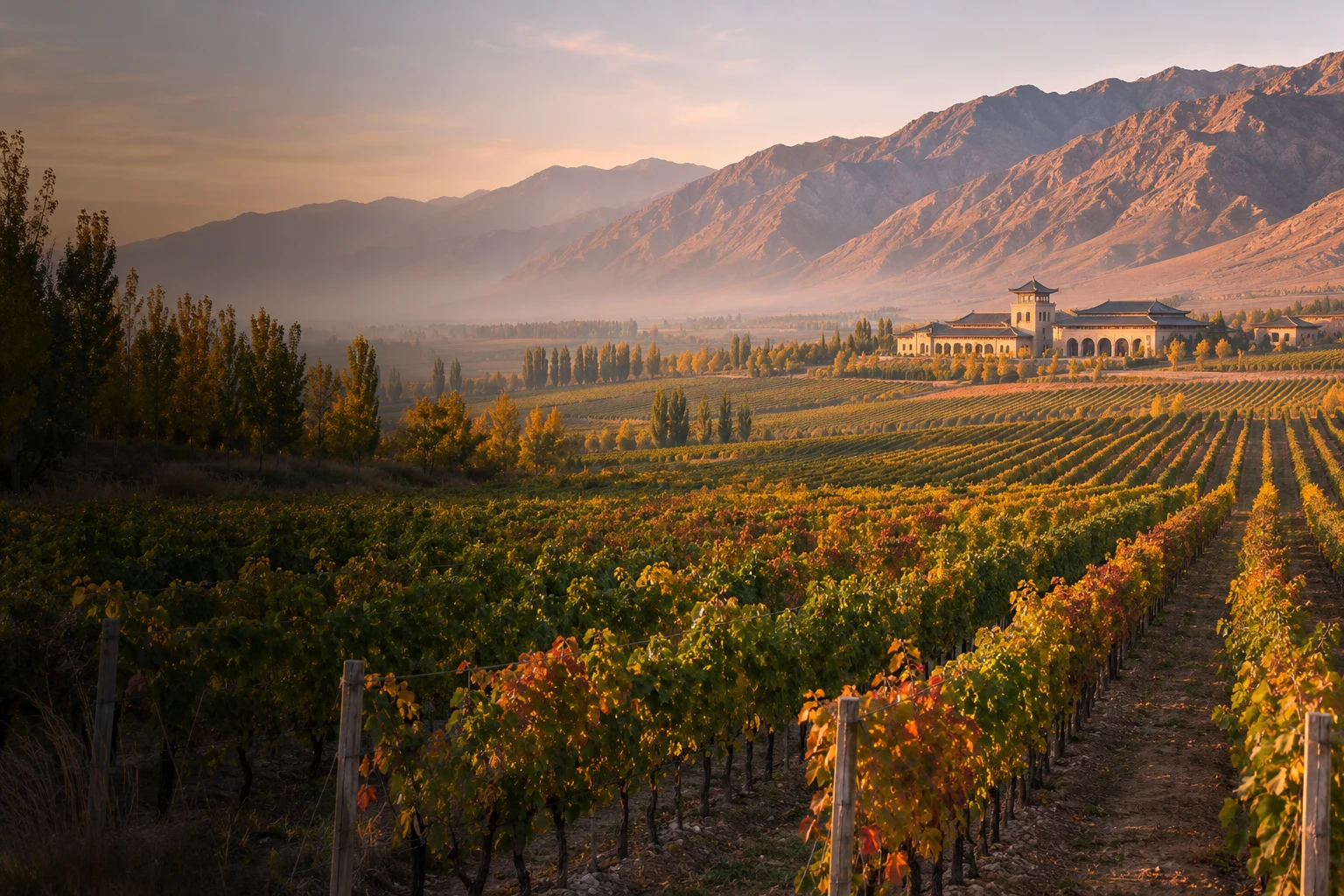
Somewhere in China, a hillside that has never grown a grape may hold the beginnings of an extraordinary wine.
It might be a sheltered valley, a mountain slope or a stretch of dry country that most of us would pass without a second glance. A winemaker would ask different questions. How warm does it become in summer? How sharply does the temperature fall at night? What lies beneath the soil, and where would the roots find water?
The French answered such questions through generations of planting, harvesting and occasionally getting things wrong. China can draw upon that experience and bring new instruments to the search. Satellites help reveal the landscape; soil samples and weather records narrow the possibilities. A promising site can be studied before the first vine goes into the ground.
Then someone must plant it. For all the information available, nobody can know precisely what that hillside will give them. The first harvest offers a suggestion. Later vintages reveal more. Eventually, a bottle is opened and a place that once meant nothing to the wine world begins to acquire a name.
Chinese investors have already bought European estates, developed vineyards at home and brought experienced winemakers into the country. Across a landscape roughly the size of the United States, there is a great deal left to discover.
A Character of Its Own
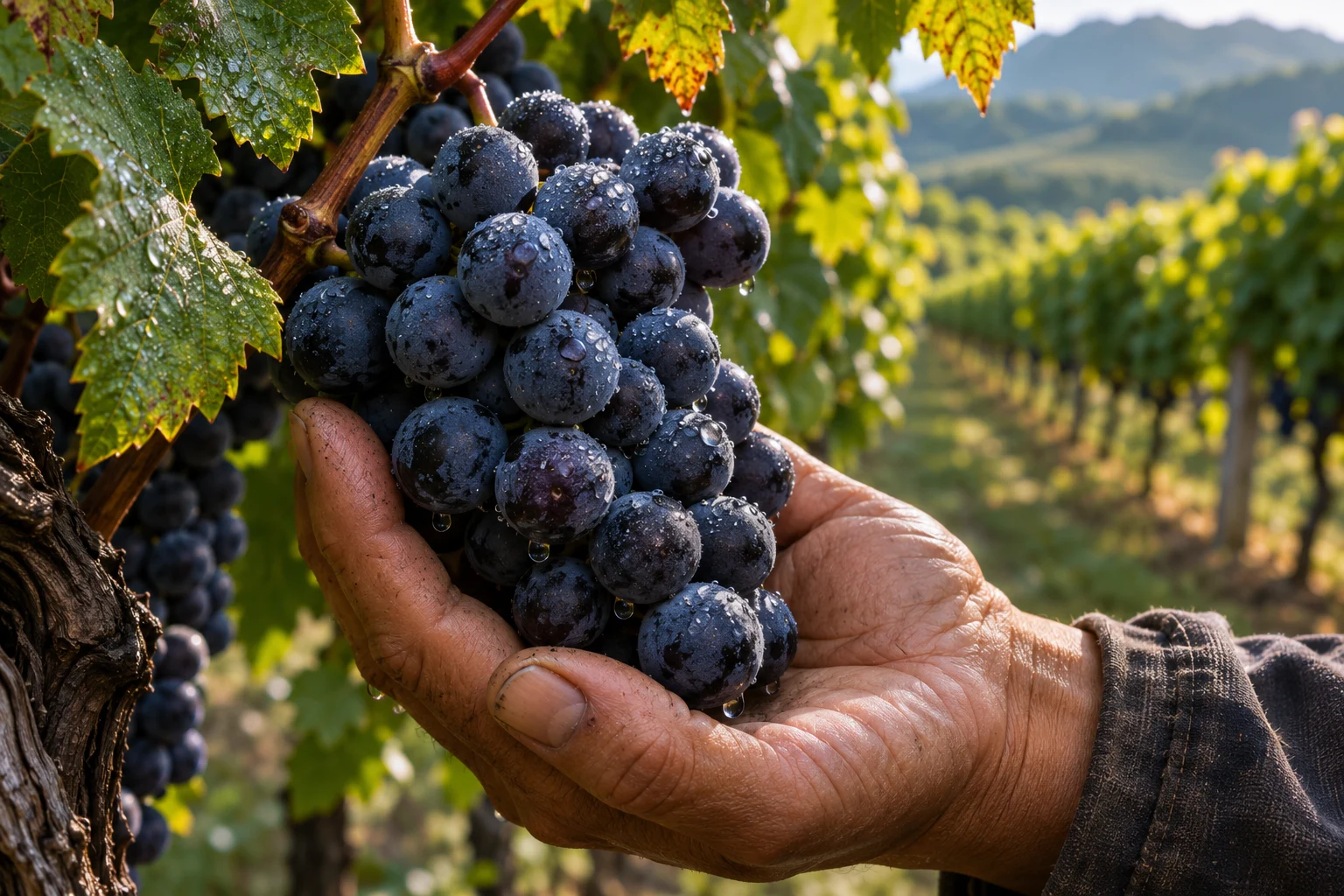
The journey continues inside the winery, where another discovery may be waiting. Yeasts transform grape juice into wine, and their contribution goes well beyond producing alcohol. Different strains can bring different aromas and flavors to the same fruit.
Chinese researchers are already studying indigenous wine yeasts. Work in Ningxia has identified strains that give wines noticeably different floral, fruit and spicy characteristics. A winemaker choosing among them has another way to express the place in which the grapes were grown.
For me, that makes the prospect of tasting these wines all the more intriguing. A familiar grape could offer something quite unexpected.
China also has indigenous grape species and varieties whose possibilities deserve exploration. We have spent much of this discussion imagining Cabernet Sauvignon in a new home. There may be other grapes waiting to tell a different story.
Careful breeding and experimentation could bring unfamiliar qualities to the glass. I wonder what we would taste, what we would call it, and what we would want to eat alongside it.
Nature Has Its Own Calendar
I would like all of this to happen quite soon. I am generally an optimist, and patience becomes rather difficult when the possibilities are so appealing.
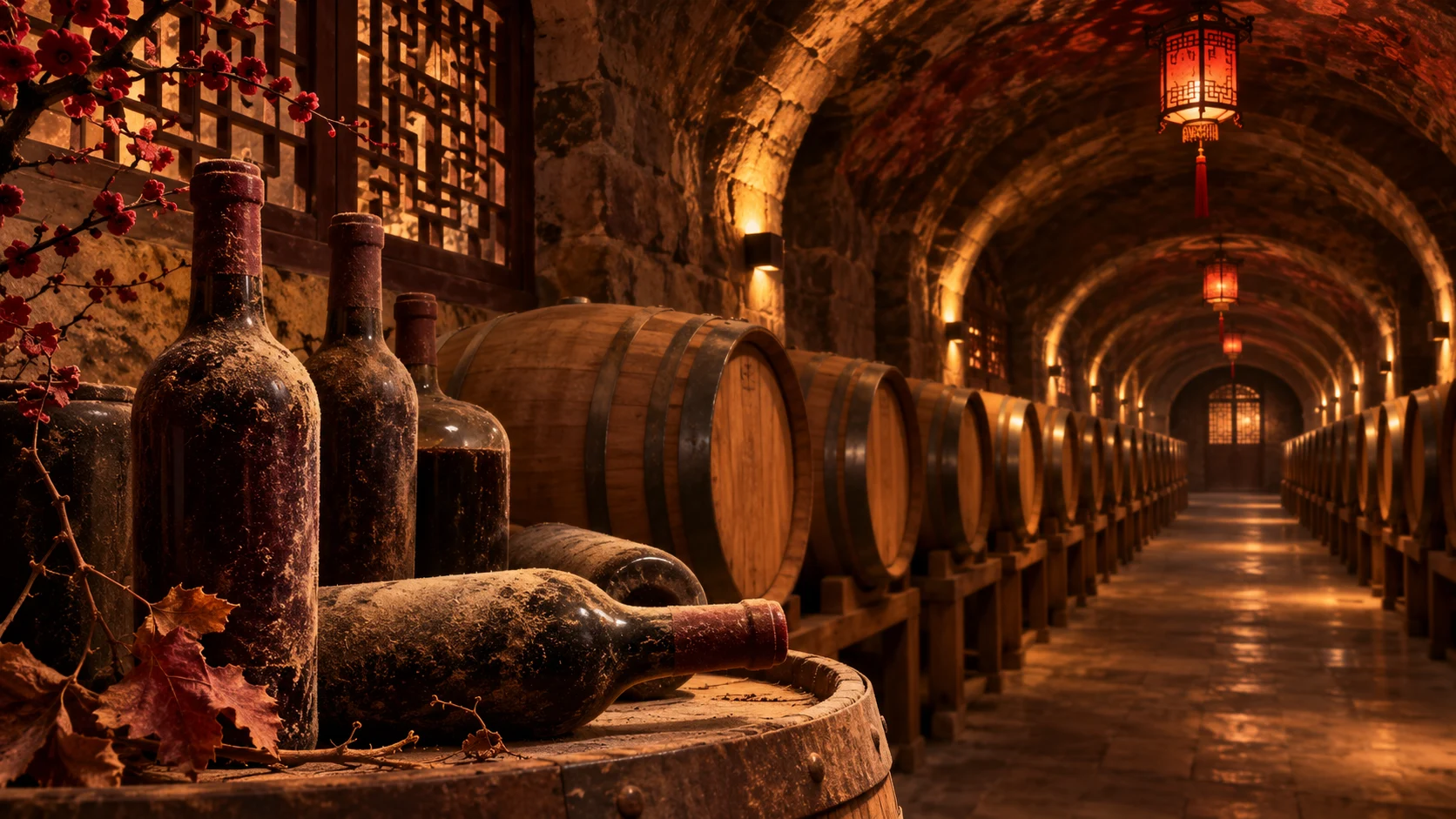
Unfortunately, a vine takes little interest in my enthusiasm. It must establish its roots and survive its first winters. Its grower must learn what happens in a wet year, a dry year and a year when spring arrives too early. A promising young wine must spend time in the bottle before anyone can know how gracefully it will age.
Money can build a beautiful cellar. It cannot supply the vintages that have yet to be harvested.
China is already some distance along this road, and exceptional wines need not wait for an entire industry to mature. The broader transformation I envisage, however, could take twenty years or more. Great wine has always asked something of those who make it, and of those who wait to drink it.
The Pleasure of Belonging Somewhere
One of the pleasures of traveling through Italy is finding a small restaurant where almost everything seems to belong to the surrounding countryside. The vegetables came from a nearby farm. The olive oil is local. Someone knows the potter who made the dishes, and the wine may have matured in clay from the same region.
You sit down to lunch and begin to understand the place through what arrives at the table. The farmer, the winemaker, the cook and the artisan have each contributed something.
I would love to encounter that same intimacy throughout China's emerging wine regions.
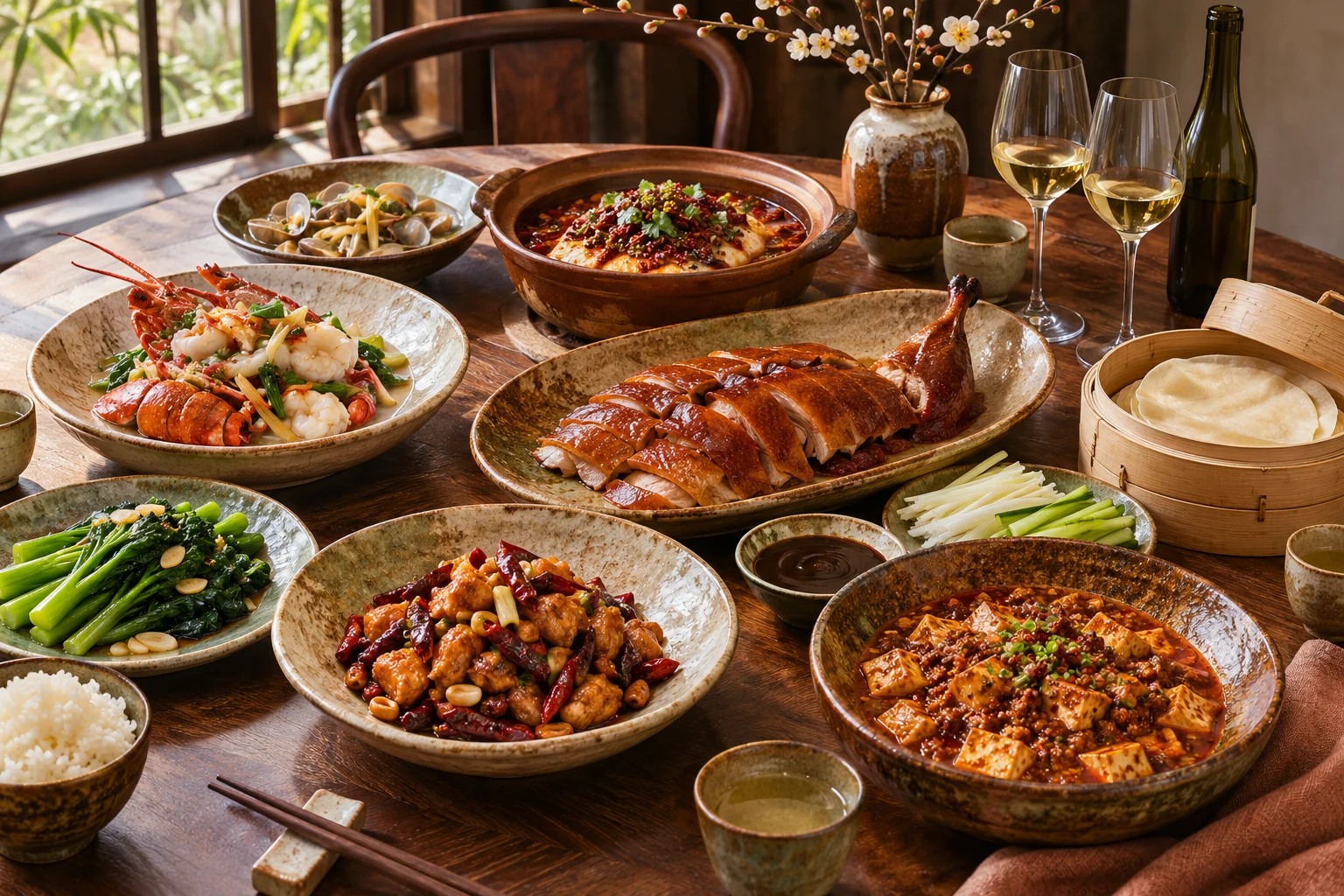
China already has a magnificent culinary inheritance. As its wines develop, chefs and winemakers will have the pleasure of discovering what belongs together. The heat and fragrance of Sichuan cooking, a delicate Cantonese seafood dish or a beautifully prepared Peking duck each offers a different invitation.
Some of those discoveries will be made in ambitious restaurants. Others may begin at a family table, when someone opens a local bottle and finds that it is particularly good with the evening's meal.
That is how I imagine a deeper wine culture taking root: through the pleasure of sharing something people come to regard as their own.
A Taste That Could Travel
With approximately 1.4 billion people, China has an extraordinary advantage. It could build a formidable wine industry largely around its own dinner tables. Even modest consumption, spread across that population, becomes an enormous market.
These figures are illustrations, rather than predictions. But they show why the possibility is so consequential. Five liters a year is fewer than seven ordinary bottles per person, yet at that level China would drink more wine than any country does today.
Potential annual imported bottles if China reached three liters per capita and supplied 90% of its own demand. That would be twice its 2025 imported volume.
Would success for Chinese wines come at everyone else's expense? I believe it could encourage an appetite for discovery that reaches well beyond China's borders.
A drinker who comes to love a local Cabernet may wonder how the grape tastes in Bordeaux or Napa. A collector proud of a Chinese estate's finest vintage may want to open it alongside a celebrated French wine. Affection for one place need hardly diminish curiosity about another.
European and American producers would have a new generation of customers to interest, and accomplished Chinese producers to compete with. Both should encourage them to make wines that say something distinctive about their own vineyards.
I expect Chinese wine lovers to become increasingly discerning. They will have more to choose from, more to compare and, I hope, a great deal to enjoy.
A Vineyard Where You Least Expect It
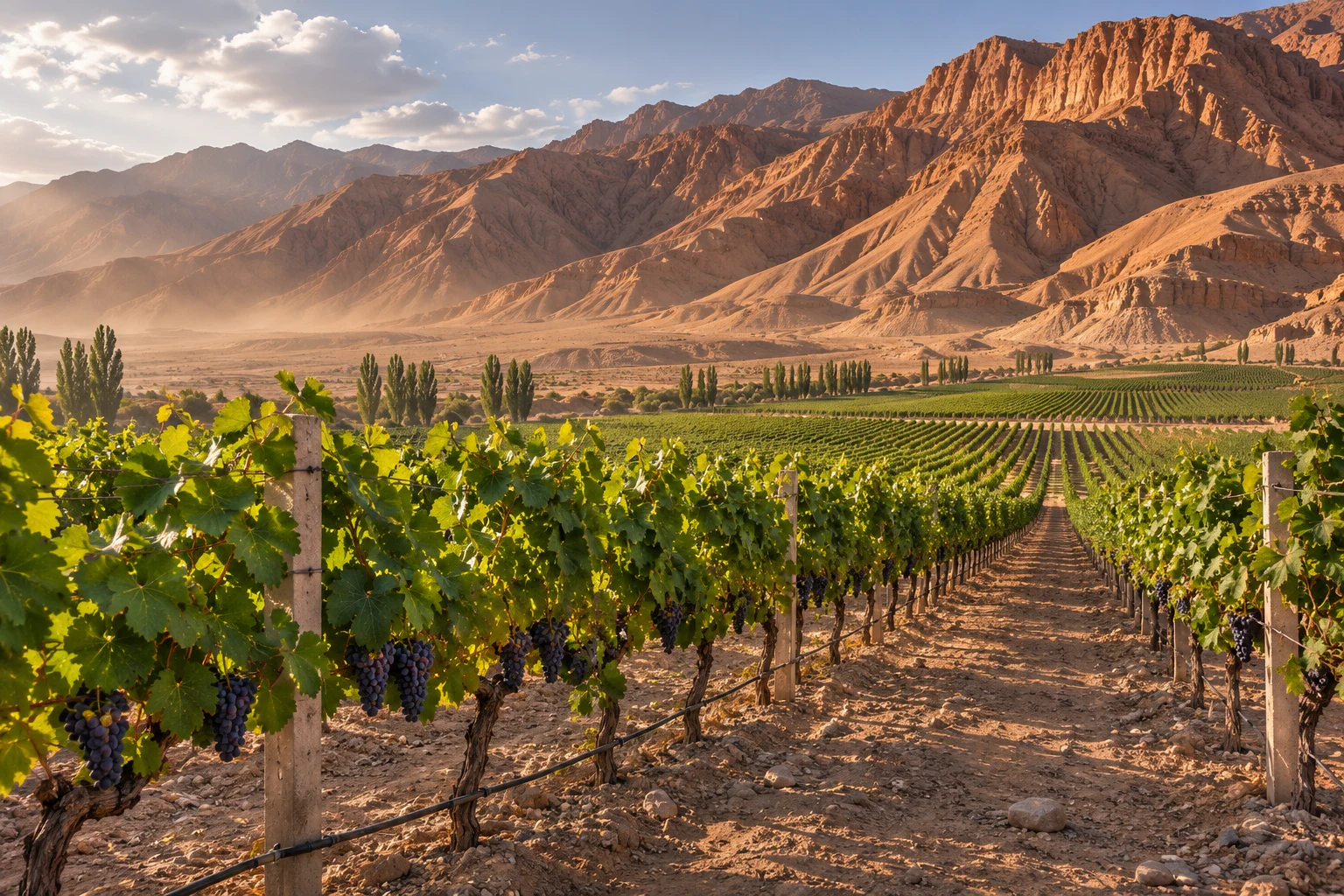
A vineyard in the desert once sounded to me like a particularly expensive way of being disappointed. Yet vines are already growing in the high desert of Pahrump, Nevada, in Israel's Negev and near China's Gobi Desert. The Negev received recognition as a wine appellation in 2026.
Water still has to reach those vines. Too much drought can damage the crop, however appealing the idea that a struggling vine makes an interesting wine. The achievement lies in understanding what the plant needs and finding a workable balance.
The next discovery could involve a grape that tolerates less water, a better rootstock or a growing technique nobody has yet tried in that particular place.
This is where my imagination really takes flight. We have been looking at China's future through the knowledge we possess today. By the time today's young vines are mature, the knowledge available to their growers will have changed.
Plant breeding, genetics and new technology could take wine in directions we cannot yet describe. Whether the breakthrough comes from a Chinese research team, a French winemaker or someone determined to plant a vineyard in Nevada, I cannot say.
I only know that I would very much like to be there when the first bottle is opened.
A Future Worth Anticipating
None of this pays a struggling winery's bills today. Producers must find customers for the wine already in their cellars, and their immediate difficulties deserve serious attention. China's development will follow its own timetable.
Nevertheless, I think the relationships being built now will matter. The people planting vineyards, learning to make wine and discovering what they enjoy drinking are beginning a story that could have consequences far beyond their country.
I remain convinced that the Chinese will become some of the world's most enthusiastic wine consumers, discerning collectors and accomplished winemakers. Given their country's possibilities, I find it difficult to imagine that they will fail to produce some of the greatest wines on God's green earth.
I look forward to tasting them. Perhaps one day a host will offer me a glass of Chinese white wine over lunch, and I will have another story to tell.
The future of wine is extraordinarily exciting. Frankly, I cannot wait to see what it brings.
The world has spent centuries discovering wine. We may have barely begun.